Email Marketing Guide for Small Businesses: 6 tools and 20 strategies for 2026
 Luciano Viterale
 On this page
"I need more customers, but I can't afford expensive marketing."
Sound familiar?
What about this…
”I know I can make more money with my list, but I don’t know how.”
I hear some variation of these from small business owners almost weekly.
They're caught in the classic catch-22: they need marketing to grow revenue, but they need revenue to justify their marketing.
Here's what most don't realize though, small businesses that leverage email marketing see an average return of $42 for every $1 spent.
Compare that to paid advertising, where you're lucky to break even in the first few months.
Email marketing is by far the most lucrative and underutilised strategy in all SMBs.
So in this article, I’m going to break down exactly how you can leverage email marketing to earn more revenue in your business (ideally on auto pilot).
What to expect in this article
- A clear explanation of why email marketing works for SMBs
- 18 different ideas you can implement with examples
- The best software for email marketing for small businesses
- Learn the difference between cold email and traditional email marketing
- My personal cold email marketing strategy + tools
- Some tips and tricks
Firstly, why does email marketing work for small businesses?
As someone who's helped dozens of small businesses transform their marketing, I can tell you that email marketing isn't just effective for small businesses. It's often the difference between thriving and barely surviving. If you execute it correctly, it will make a world of difference.
Here’s why.
You own your audience. When you build an email list, those subscribers belong to you, not to Meta, Instagram, or Google. I've seen too many small businesses lose thousands of followers overnight when an algorithm update or account suspension occurs. Your email list can't be taken away. It's yours.
It's extremely cost-effective. Most small businesses I work with spend less than $100 per month on email marketing software and see returns that make their previous marketing investments look embarrassing. Compare that to the $10,000+ monthly budgets most are throwing at social media ads with questionable results.
You can funnel leads through the buyer journey. Here's the reality: not everyone is ready to buy from you today. Maybe they're still researching, or maybe they bought from you six months ago and forgot you exist. Email marketing lets you nurture prospects who aren't ready yet and re-engage past customers who should be buying again. I worked with a local HVAC company that was losing 70% of their leads because they only followed up once (if ever). Now they have a 12-email sequence that converts 20%+ of "not ready" prospects into customers within six months.
You can automate relationship building. This is huge for small business owners who are already wearing ten different hats. Once you set up proper email sequences, you're nurturing leads and converting customers while you sleep. I recently helped a local plumbing company set up automated follow-up sequences that book an additional 15-20 service calls per month without any manual effort.
Your customers actually want to hear from you. Unlike cold calls or interruptive ads, email subscribers have raised their hands and said "yes, I want updates from this business." When a customer gives you their email address, they're essentially saying "I trust you enough to let you into my inbox." That's powerful.
You can build a referral engine through email. Ever received an awesome email and forwarded it to someone else? Well you can make this happen with the emails you send to your prospects. It's such an easy and free way to drive more word of mouth without spending hours or thousands.
18 Email Marketing Ideas for Small Businesses
Note: All of these tactics are designed for traditional email marketing. This means you have permission to email these leads. Maybe they’re past customers, people on your mailing list, or they signed up for an offer. Either way, you own the list and have full permission to email them. If you want to email prospects that don’t know who you are and did not opt in you’ll need to consider cold email marketing strategies instead (see further below).
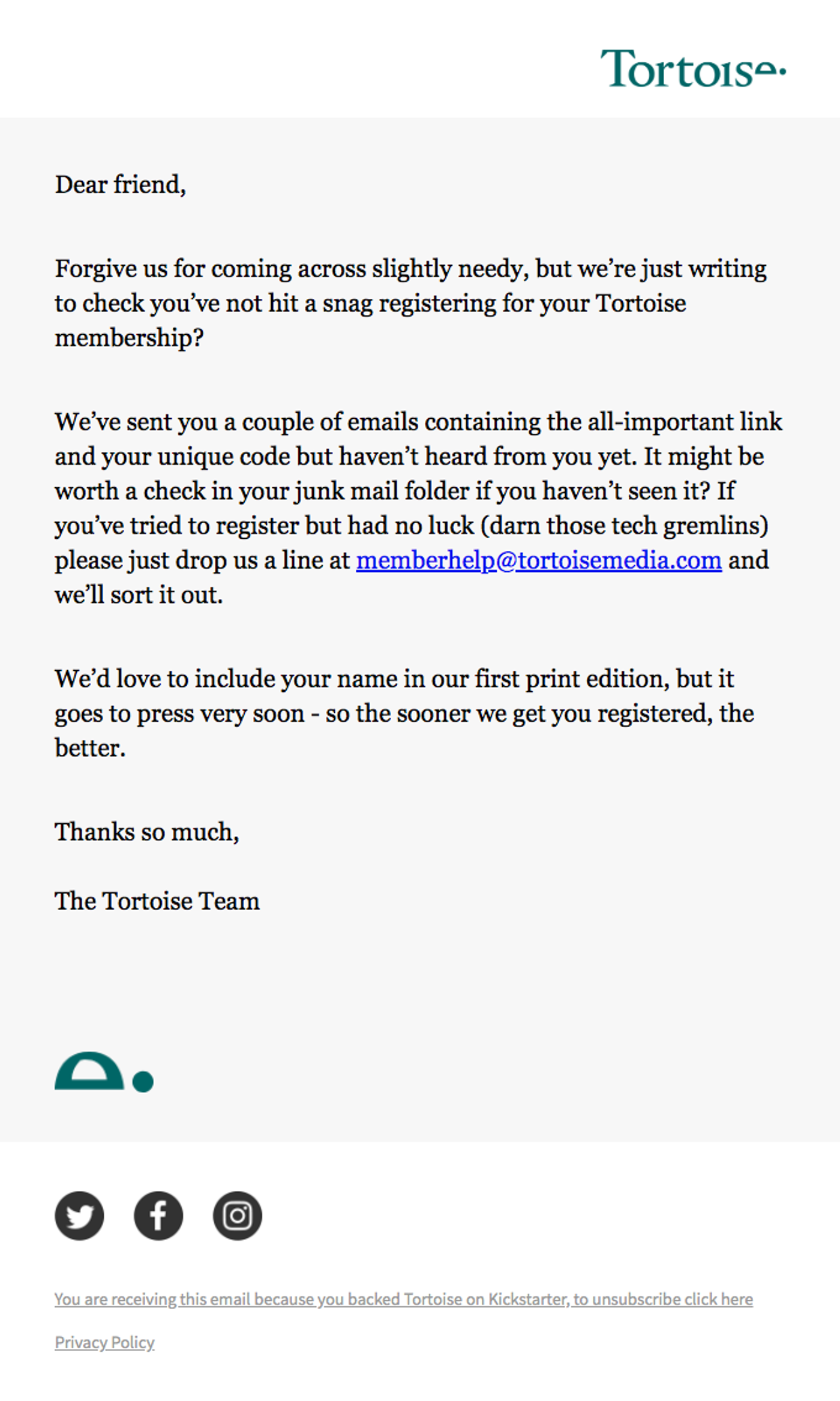
1. Closed/Lost Win Back Campaign
What it is: You have a pool of leads or prospects that showed interest but never purchased, went cold, or were marked “closed lost” in your CRM.
Process:
- Segment the list based on leads marked closed lost or inactive for 60–180 days.
- Identify the closed-lost reason (price, timing, went with competitor, ghosted).
- Write a 3-part reactivation sequence:
- Reopen the loop – reference the previous conversation or reason they didn’t proceed.
- Show new value – something’s changed (pricing, features, offer, case study).
- Call to action – offer to review their situation or provide something tangible (audit, update, strategy call).
- Use Clay/AI to insert a personalized sentence referencing the original discussion.
- Add call tasks after each email for manual follow-up.
Tips:
- Send on behalf of the sales rep
- Always send on behalf of a person, not the company
2. Nurture Sequence
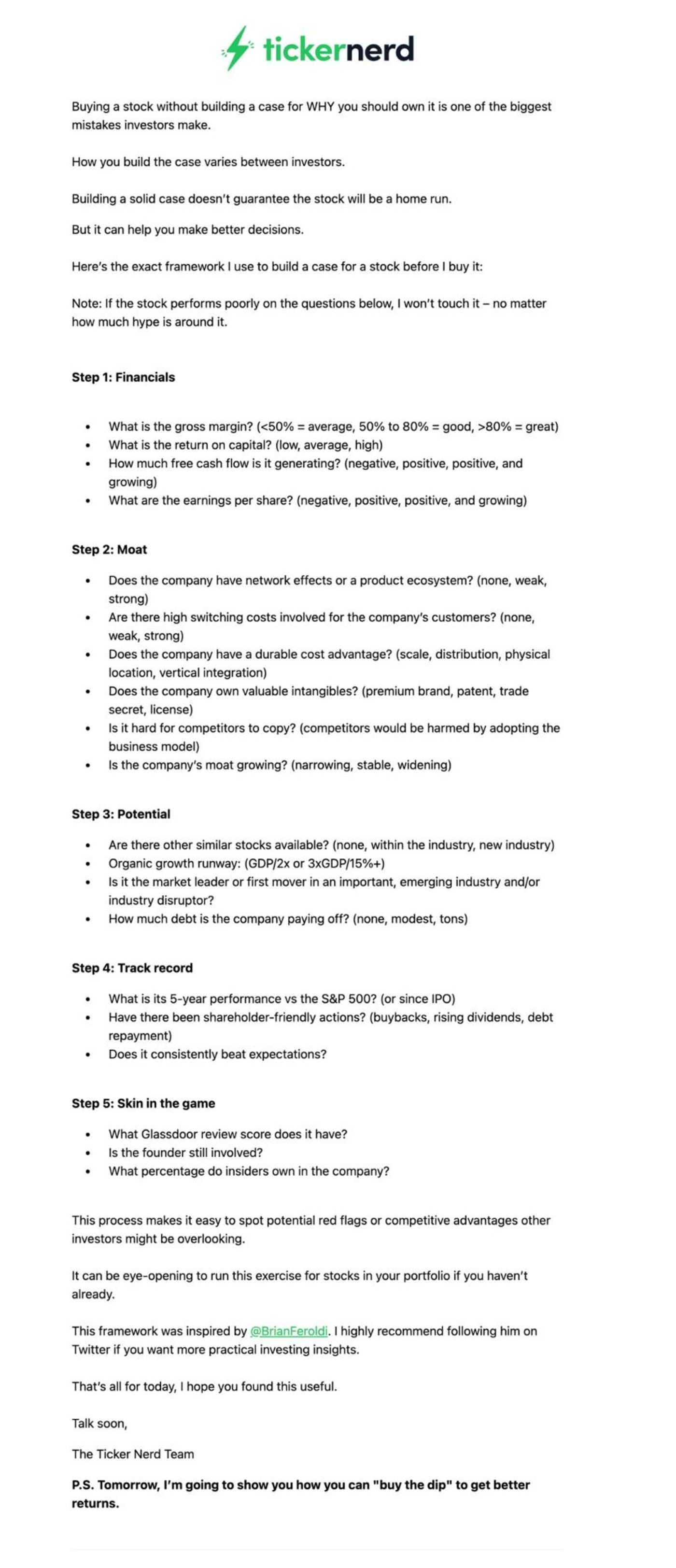
What it is: An automated flow that educates, builds trust, and keeps leads warm after they first subscribe or inquire.
Process:
- Trigger after form fills or new leads enter your CRM.
- Structure 5–7 emails across 3–4 weeks.
- Email 1: Welcome & story
- Email 2: Value tip or insight
- Email 3: Case study or client story
- Email 4: Problem/solution education
- Email 5: Offer or soft call-to-action
- Blend valuable content with soft sales prompts.
- Include clear next steps (e.g., book a call, see pricing, download guide).
3. Onboarding Sequence
What it is: A structured series that welcomes new customers, clients, or users and sets expectations.
Process:
- Trigger when a customer signs up or makes a first purchase.
- Outline what happens next, who they’ll hear from, and what success looks like.
- Provide links to training, FAQs, and a “how to get the most out of working with us” guide.
- Include a personal check-in email from the founder/team member.
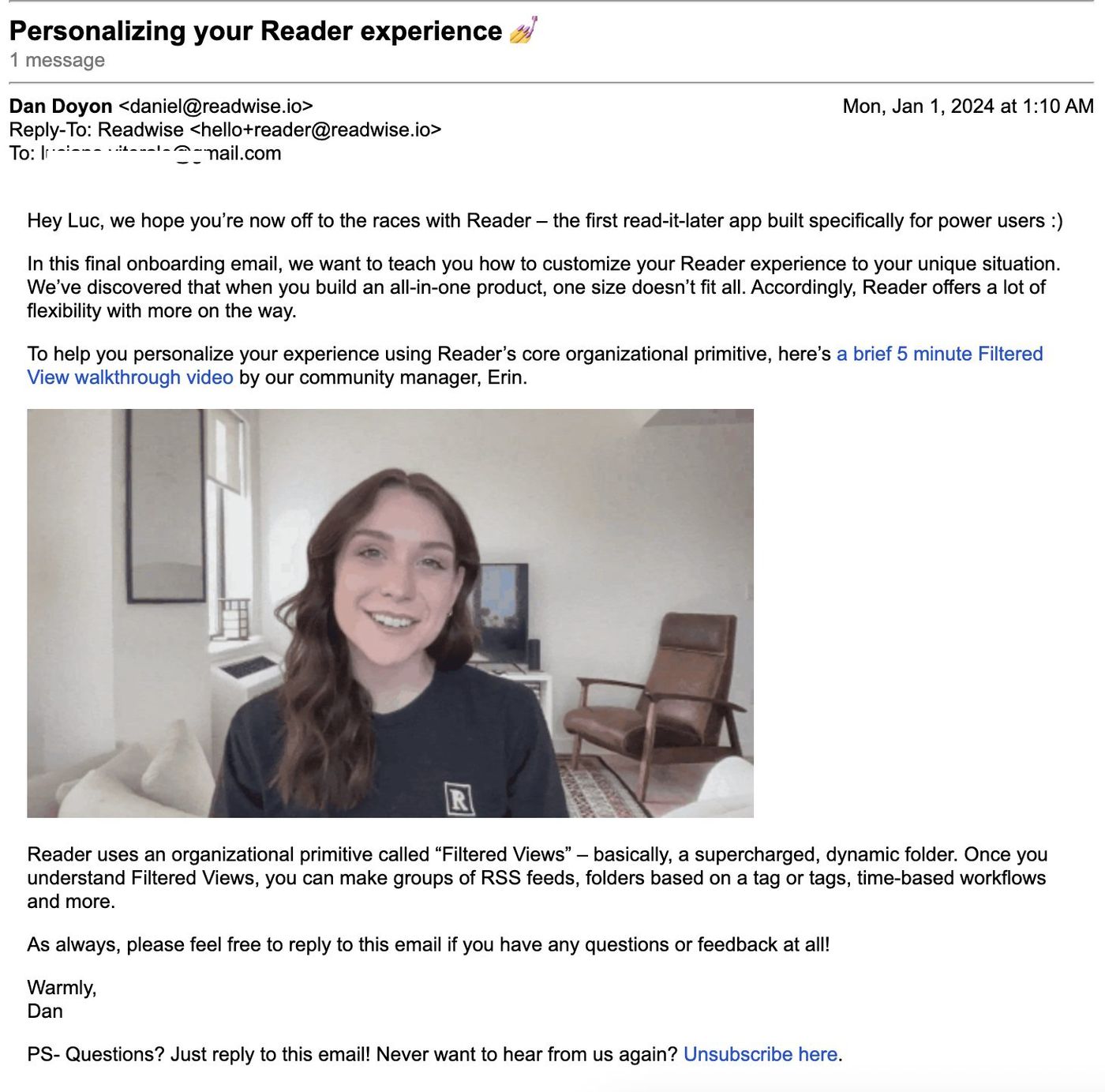
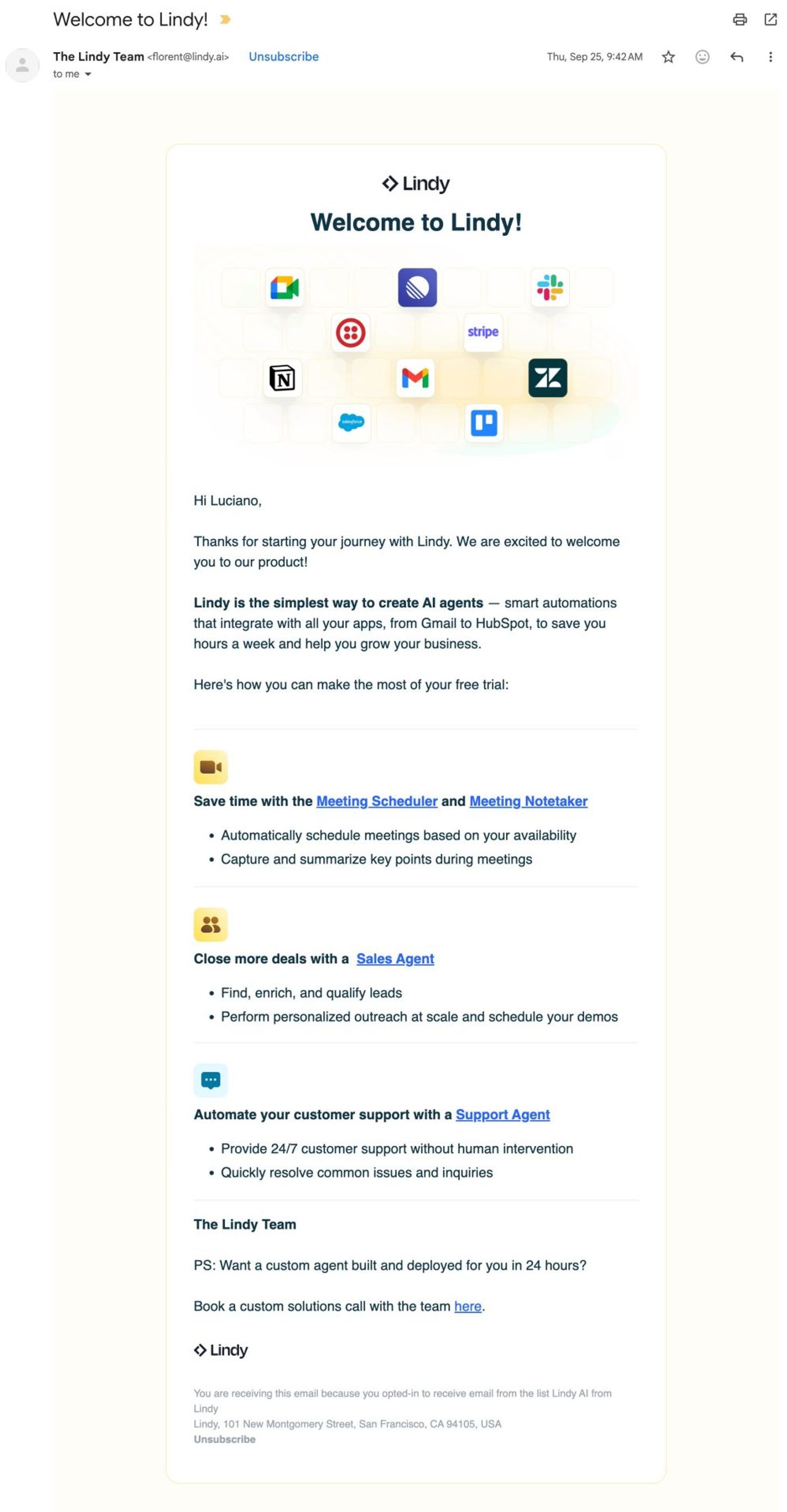
Example: Readwise account setup and process to help onboard new users that have not taken action.
4. Re-Engagement Sequence
What it is: Targets email subscribers who haven’t opened, clicked, or engaged in 60–90 days. They're a bit different from a win back sequence, becasue a win back email is usually going out to someone who was in the buying process but never fully committed.
Process:
- Segment unengaged subscribers using last open/click date.
Send a 2–3 part campaign:- “Still interested?” message with yes/no options or a clear call-to-action.
- Share a new piece of high-value content or recent result.
- Final notice email: “We’ll remove you if we don’t hear back.”
- Suppress unengaged subscribers after 3rd email to maintain deliverability.
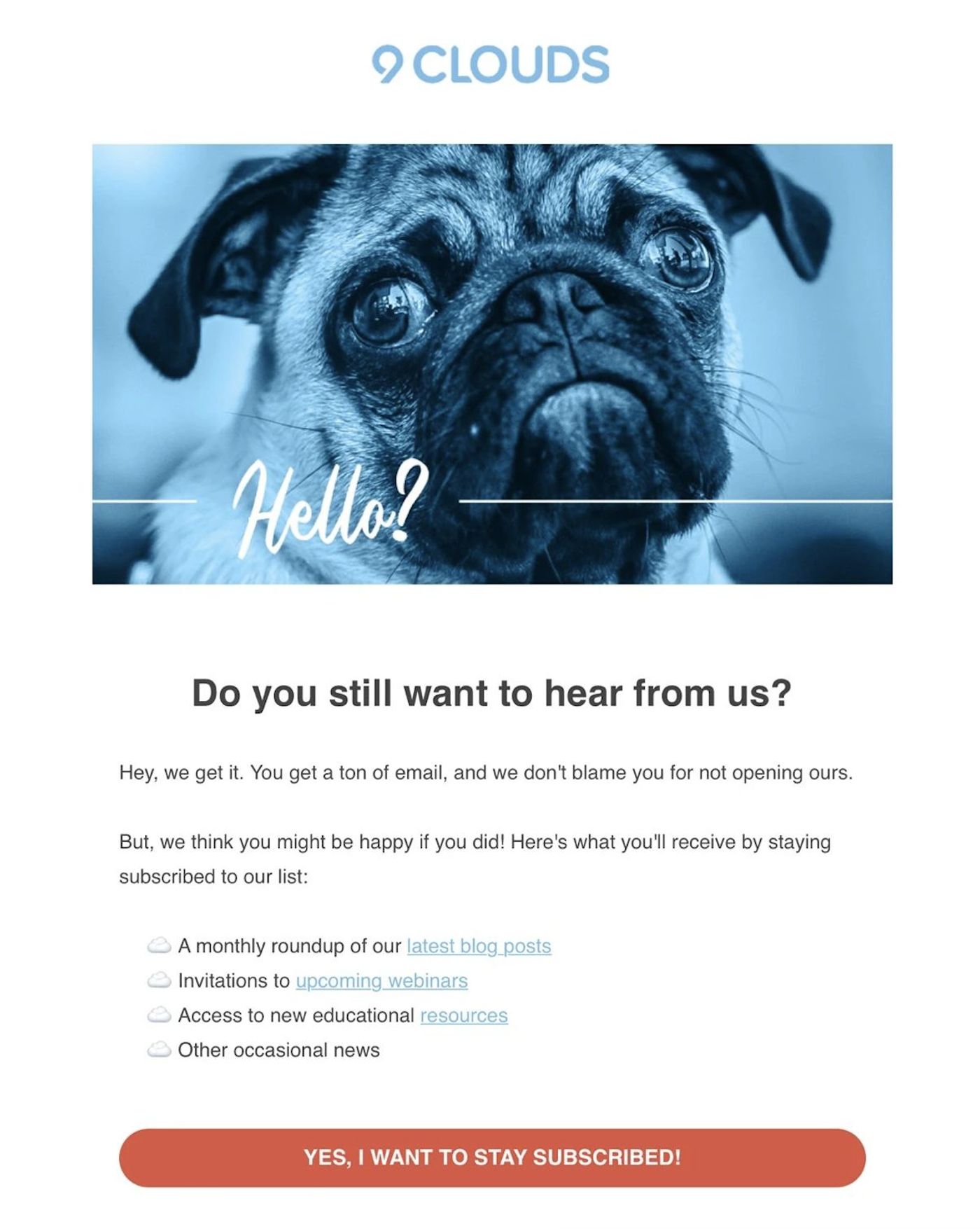
Example: 9 Clouds re-engagement email to confirm they want to still get emails.
5. Value Email
What it is: A one-off or recurring email that shares something genuinely useful to your audience…no sales pitch.
Process:
- Pick one tactical, actionable insight (e.g., “3 ways to improve your conversion rate this week”).
- Write it in under 150 words, in a conversational tone.
- Include a quick visual, tip, or mini framework.
- End with a soft CTA like “If you’d like us to help you do this faster, reply to this email.”
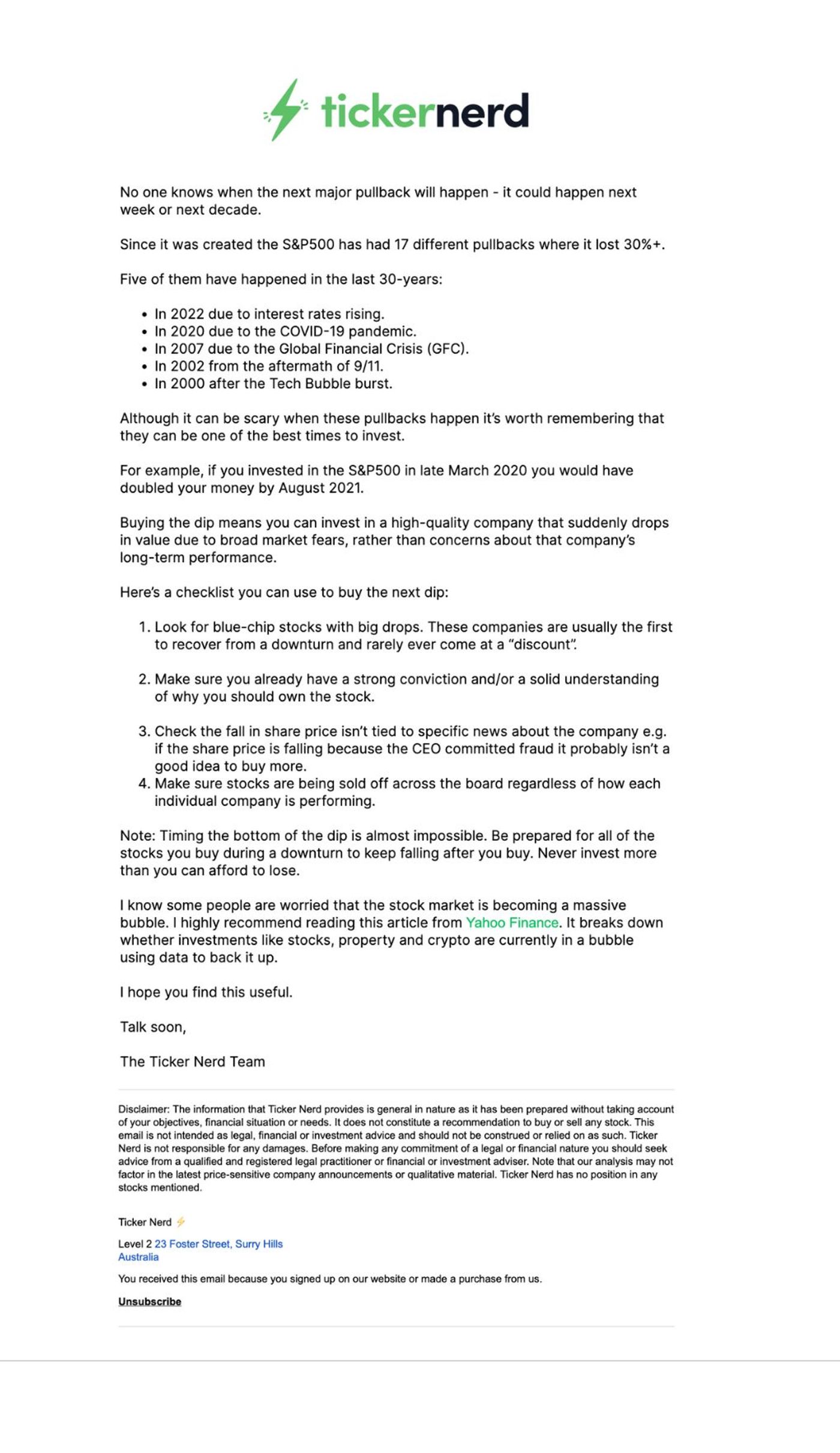
6. Story Email
What it is: An email that shares a personal, client, or brand story to build emotional connection and authority. Email marketing for small businesses is really just about storytelling; it makes it easier for customers to connect this way.
Process:
- Choose a story with a lesson tied to your service.
- Use a clear 3-part arc: Hook → Struggle → Lesson/Outcome.
- Keep it conversational, as if you’re telling it over coffee.
- Close with a bridge line like “That’s exactly why we built [your offer].”
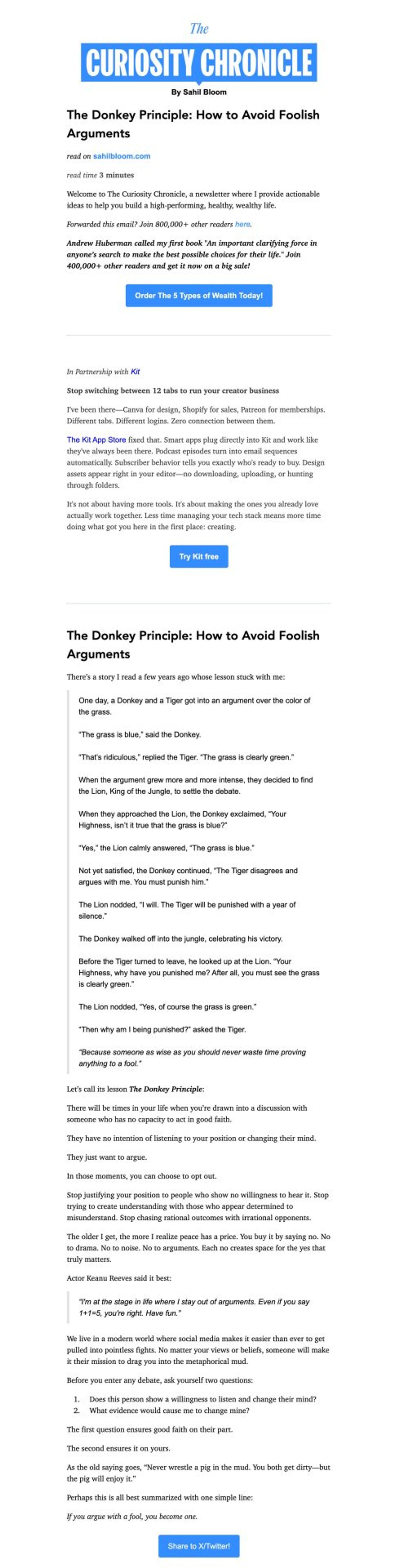
7. Case Study Breakdown Email
What it is: Shows social proof by unpacking a real result you achieved.
Process:
- Select a strong client story (quantifiable outcome preferred).
- Structure: Who they were → The problem → What you did → The result → CTA.
- Use numbers, screenshots, or quotes.
- End with: “Want similar results? Here’s how we can help.”
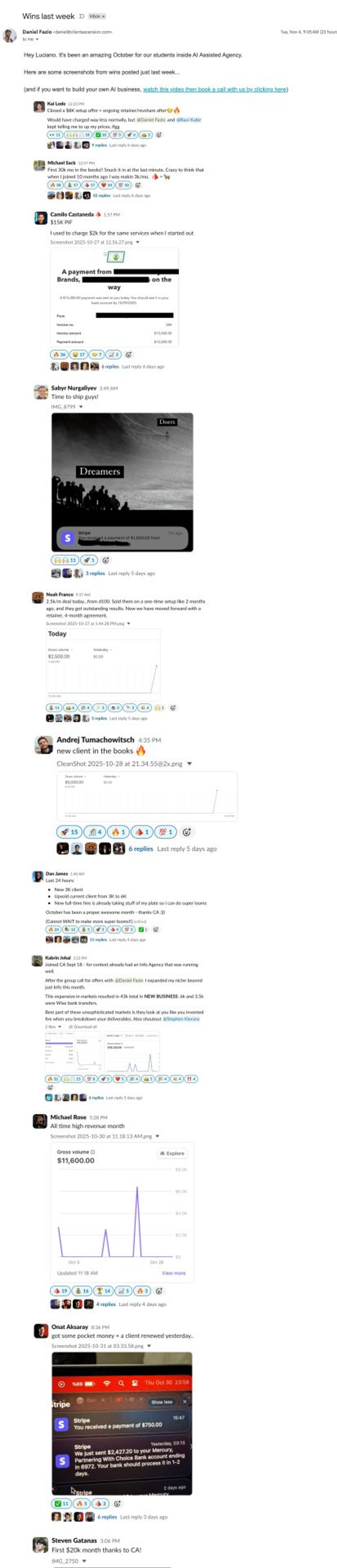
8. Prediction/Trend Email
What it is: Positions you as a thought leader by sharing insights about the future of your industry.
Process:
- Pick one relevant trend or prediction (e.g., “Why X will die in 2026”).
- Use data, market shifts, or observations from your clients.
- Frame it as: What’s changing → Why it matters → What to do about it.
- CTA: “If you’d like to future-proof your business, let’s chat.”
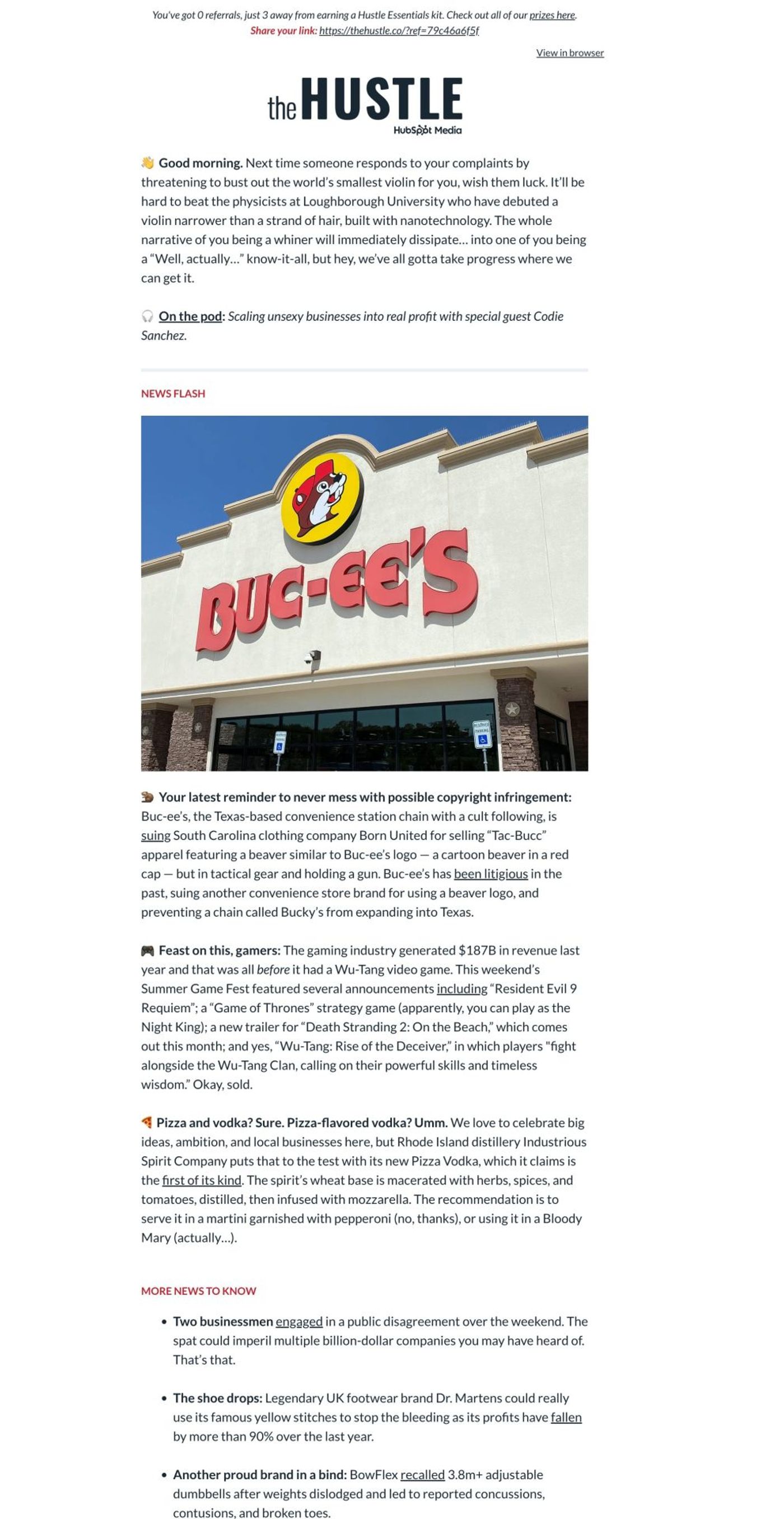
9. Controversial or Opinion Email
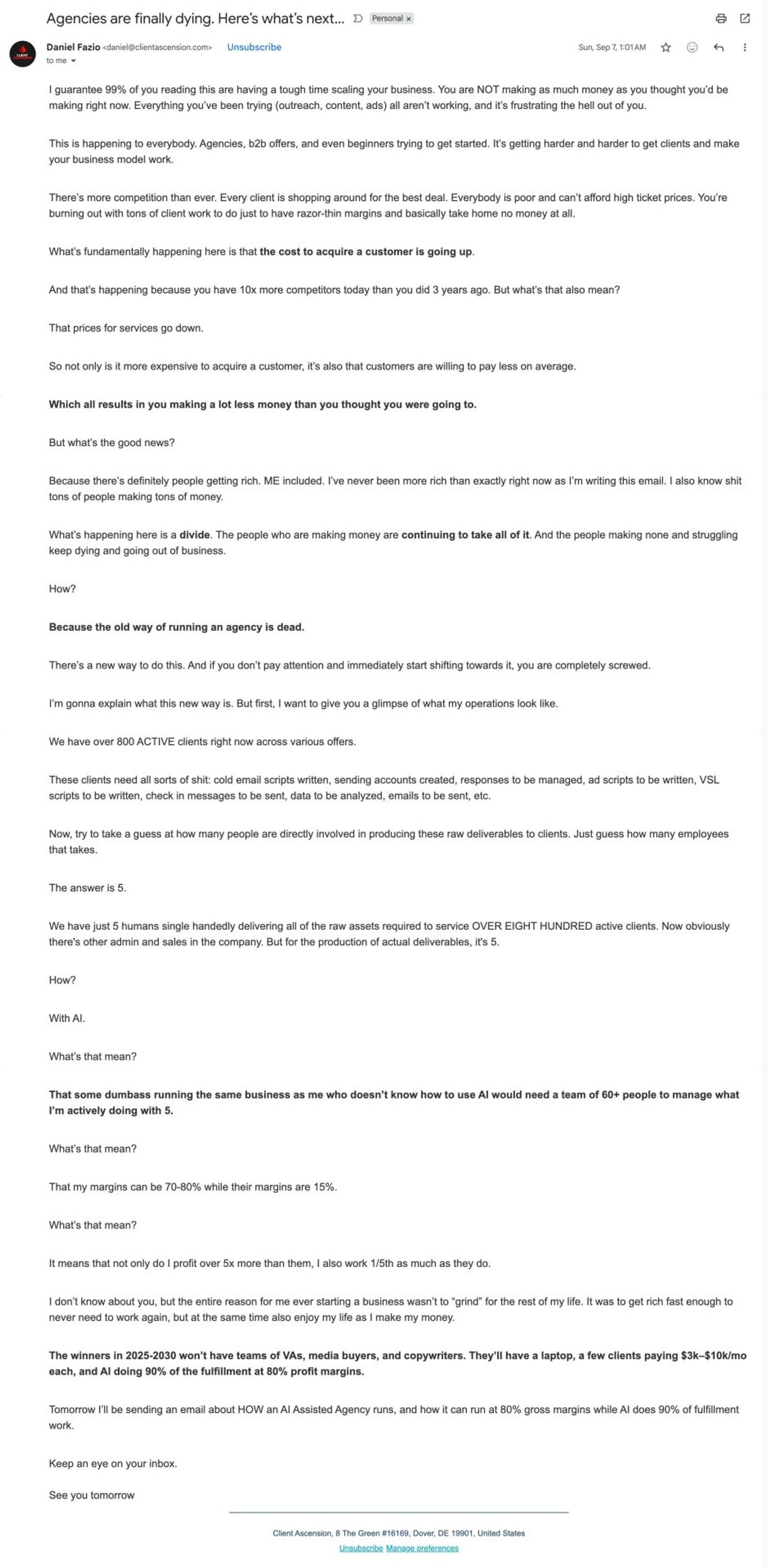
What it is: A bold opinion that challenges the status quo. It will sparks replies, shares, and emotional engagement. When you think about email marketing for small businesses, you don't think of "controversial" or "opinions" but in some cases, these polarising emails can really strike a chord with your audience and push them to trust you more and take action.
Process:
- Identify a common belief in your market and flip it. (e.g., “Why you should stop offering discounts.”)
- Support with reasoning, examples, or contrarian data.
- Encourage engagement: “Do you agree or disagree? Hit reply and tell me.”
- Don’t overdo it… use 1–2 times per quarter for maximum effect.
Need help with email marketing? Book a free discovery call or check out my email marketing consulting services.
10. Tool/Resource Email
What it is: Gives away a useful resource that positions you as an expert and helps your audience get quick wins.
Process:
- Share a free tool, template, or checklist (Google Sheet, Notion doc, PDF).
- Explain the problem it solves.
- CTA: “Use it here” or “Want the full version? Let’s set it up together.”
- Great for re-engaging cold lists or adding value between offers.
11. Sales/Offer Email
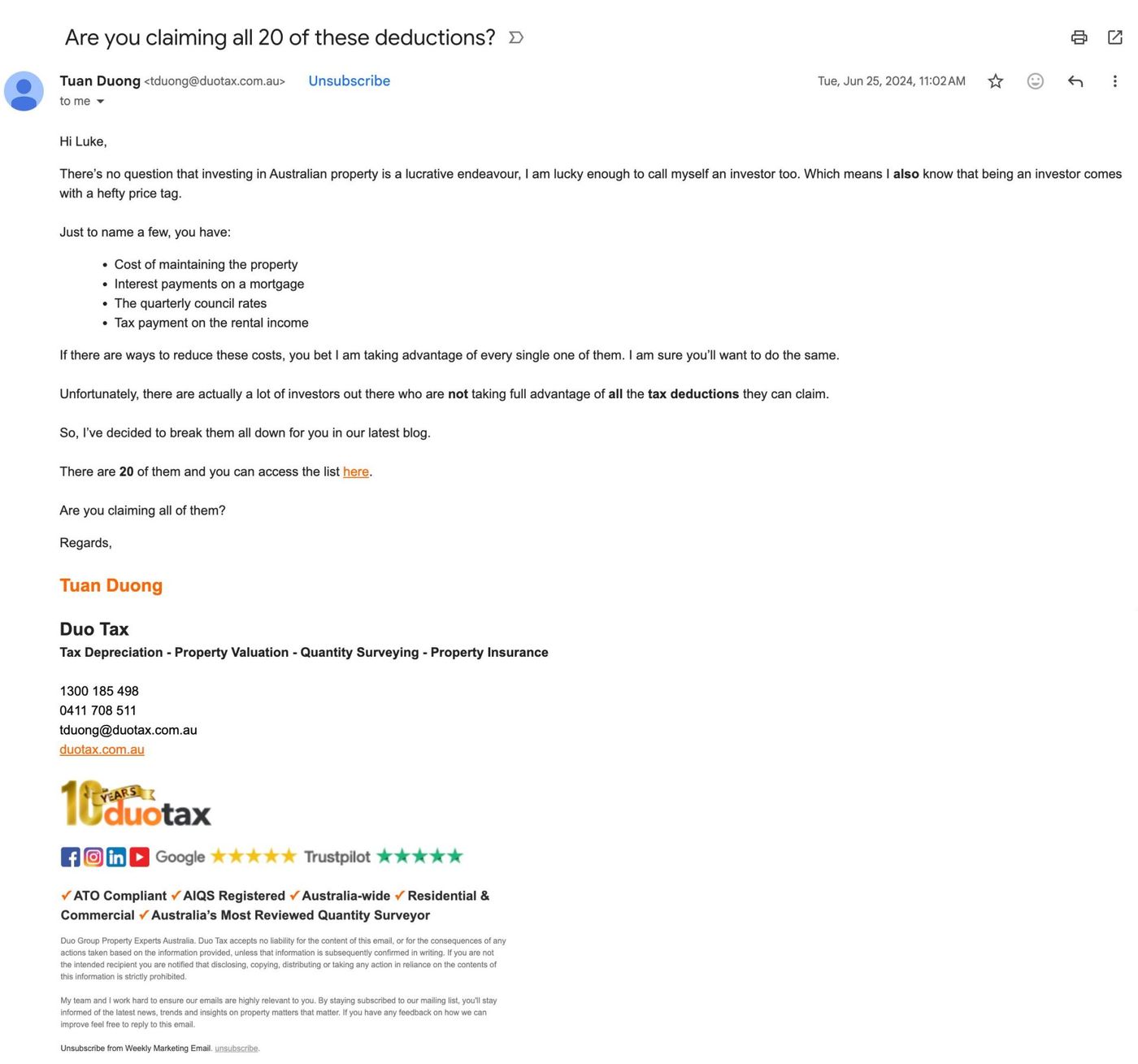
What it is: Directly promotes a service, offer, or campaign. Designed to drive immediate action.
Process:
- Keep one clear offer per email — no clutter.
- Use urgency or scarcity (e.g., deadline, bonus, limited spots).
- Structure: Problem → Solution → Proof → CTA.
- Send 3–4 reminders across a 5–7 day window if it’s a campaign.
12. Question/Conversation Starter Email
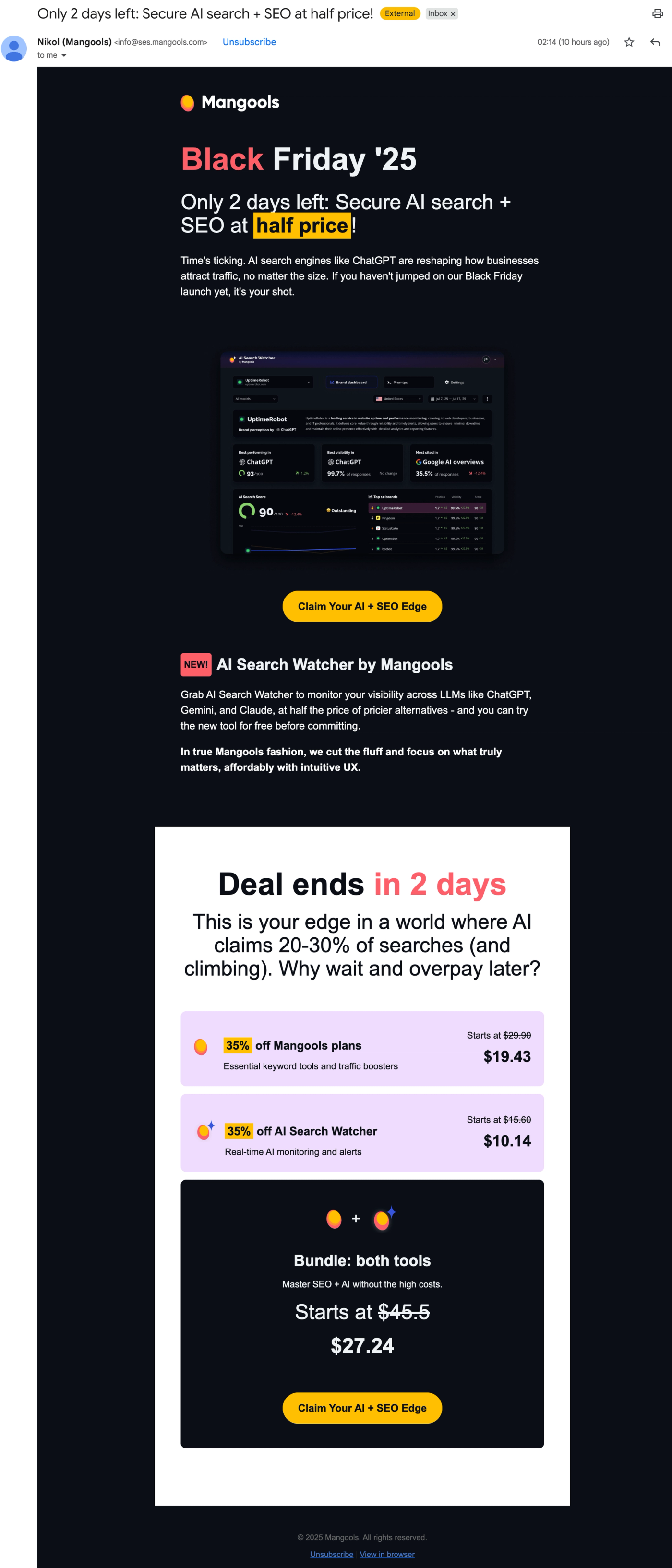
What it is: A short, curiosity-driven email designed to start replies or open a dialogue.
Process:
- Write as a one-liner or two sentences max…e.g., “Hey {firstName}, are you still thinking about [goal/problem] this quarter?”
- Use personalization from CRM data or previous interactions.
- Ideal for follow-ups, reactivation, or low-touch sales outreach.
- Track replies manually for conversations and pipeline opportunities.
13. Mindset/Philosophy Email
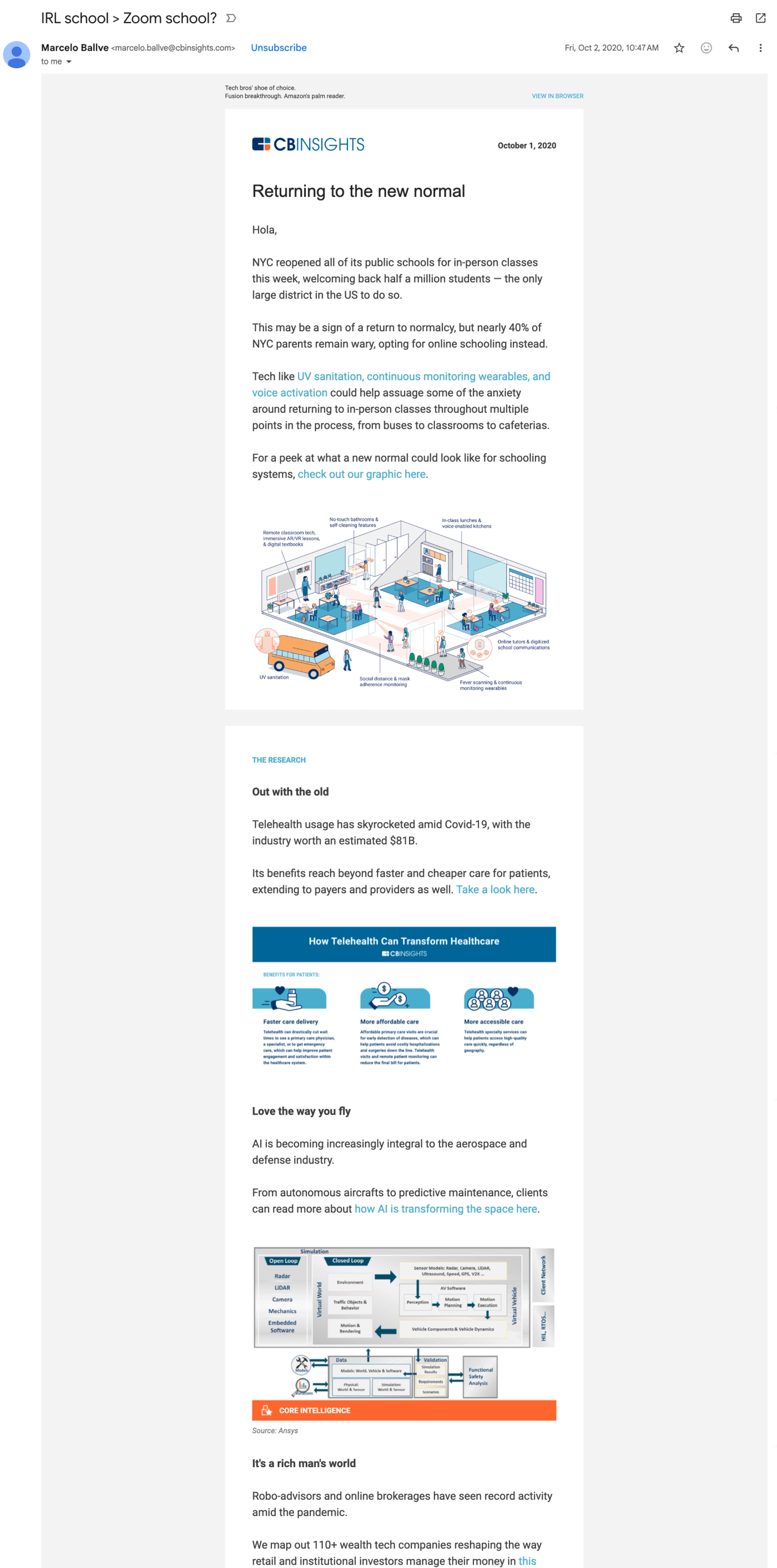
What it is: Shows how you think. Sharing beliefs, lessons, or frameworks that shape how you operate.
Process:
- Share a simple principle or rule of thumb you use. e.g., “We believe the best clients are built, not found.”
- Relate it to your service or results.
- Ends with a bridge to your offer: “That’s the mindset that’s helped us achieve X.”
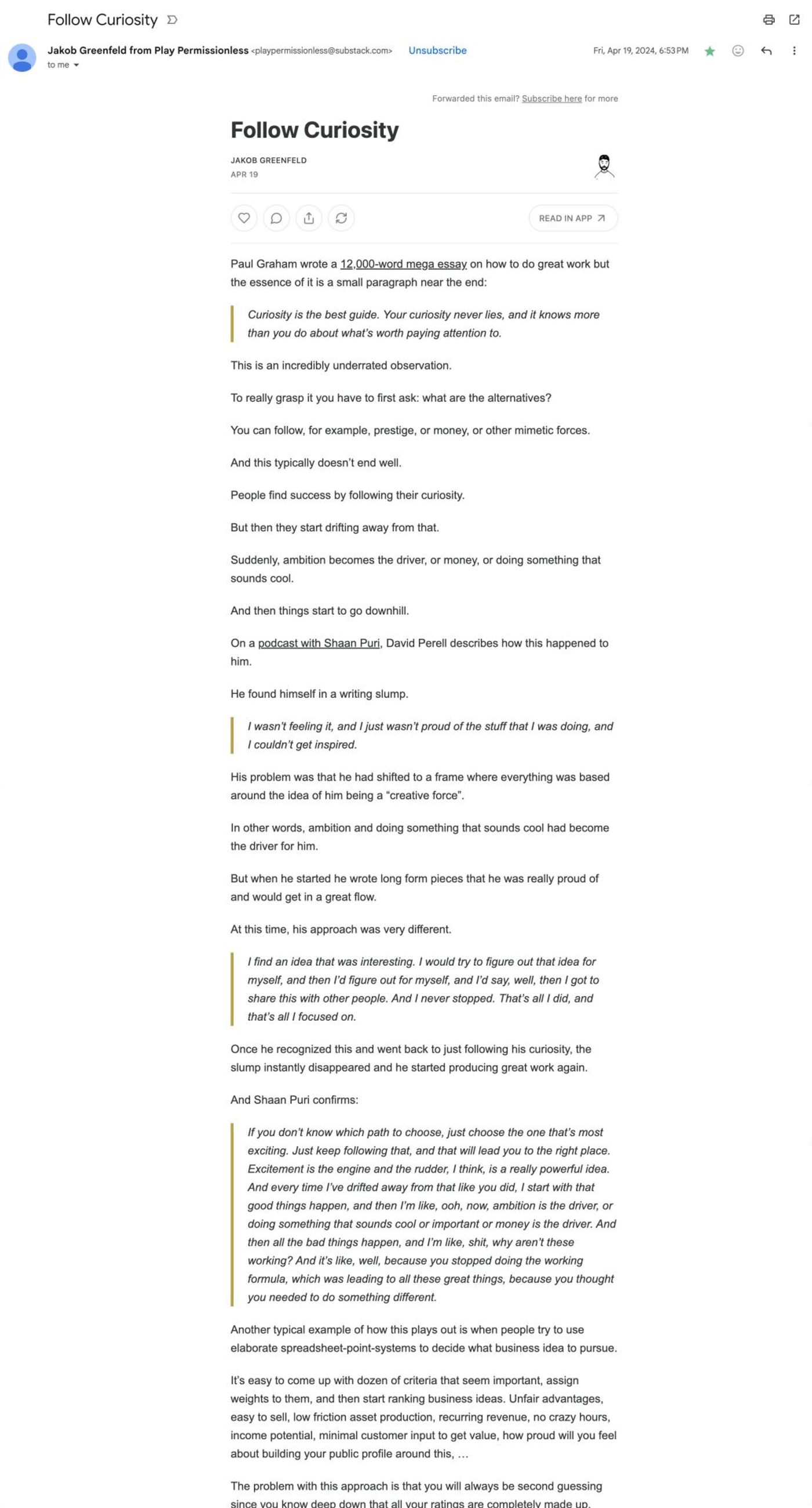
14. Event/Launch Campaign
What it is: Promotes an event, product launch, webinar, or new feature.
Process:
- Use a 4–6 email sequence:
- Announcement
- Reminder
- Proof/testimonial
- FAQ/objection
- Final call
- Make it visual and deadline-driven.
- Include calendar links or registration buttons.
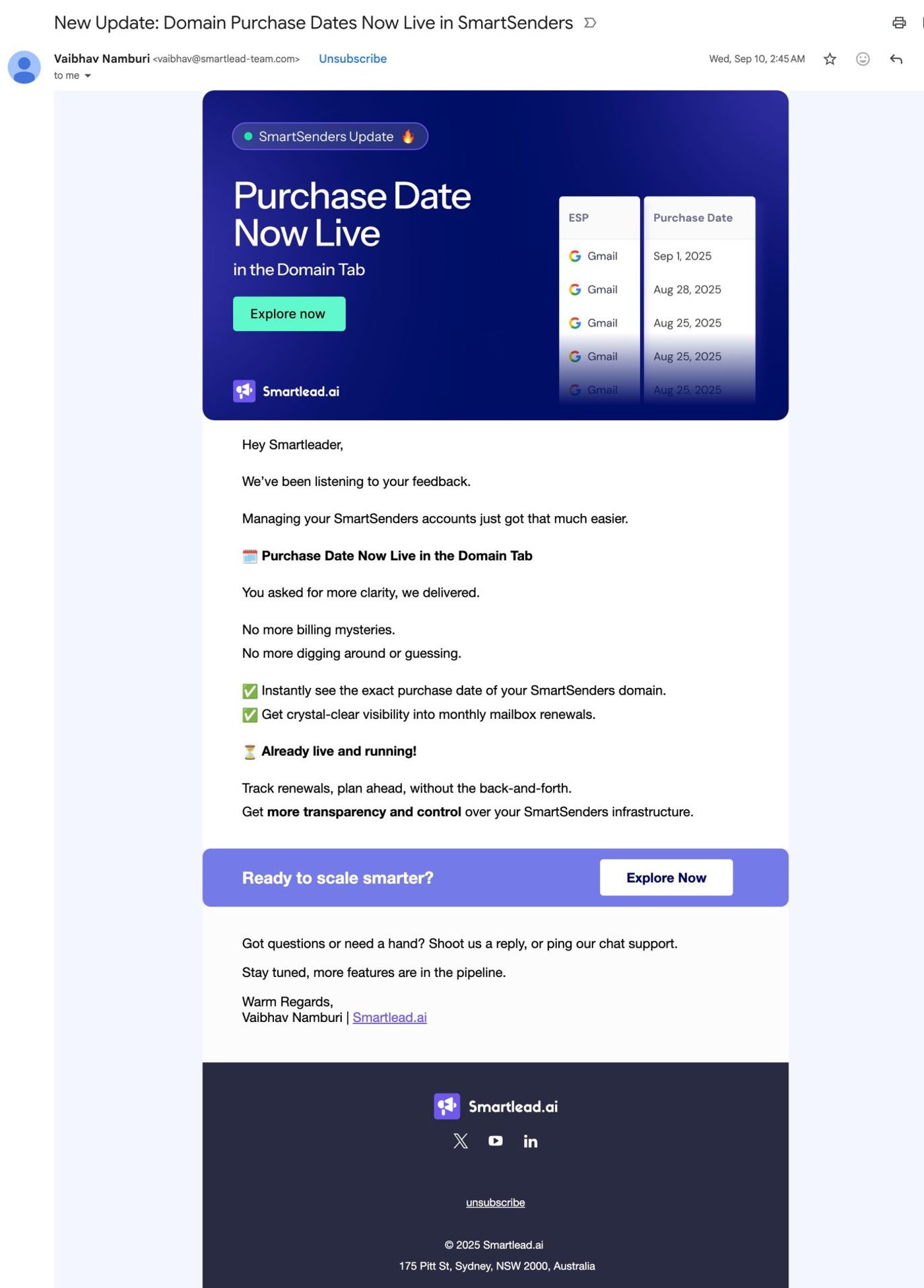
15. Referral/Reactivation Email
What it is: Asks existing clients to refer others or reactivates past clients with an incentive.
Process:
- Identify happy past clients or customers inactive for 6+ months.
- Offer a referral bonus, free review, or check-in.
- Template example: “Hey, we’re doing quick reviews for past clients this month — want me to take a look at your setup again?”
- Track replies and manually follow up with call tasks.
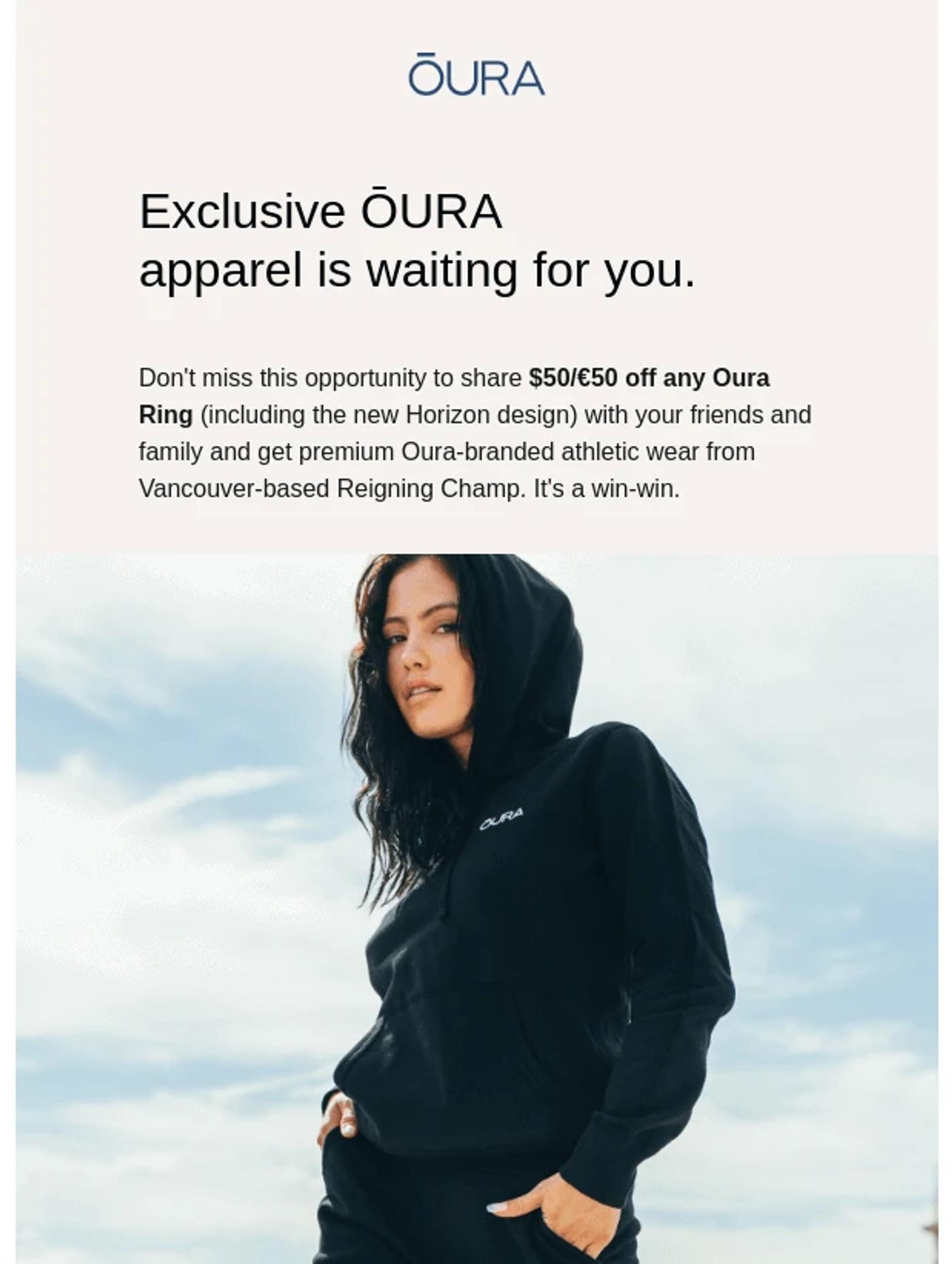
16. Testimonial Request Email
What it is: A simple email asking clients to share feedback or reviews to build credibility.
Process:
- Send 1–2 weeks after project completion or delivery.
- Keep short and human: “Hey {firstName}, quick favor — would you mind writing 2–3 lines about your experience? Makes a big difference for us.”
- Include a link to Google Reviews or a testimonial form.
- Optional: incentivize with a small gift card.
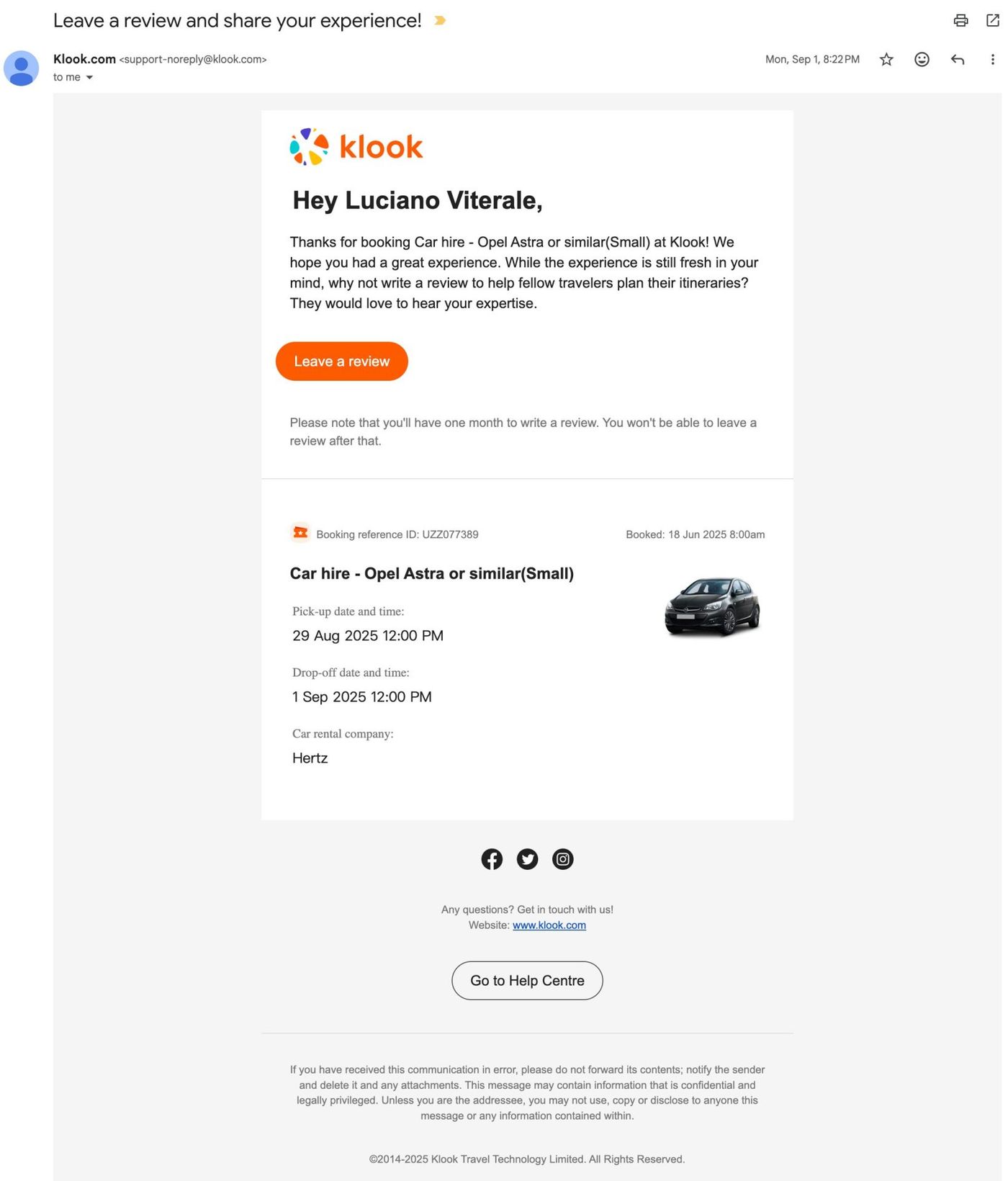
17. Refill/Repeat Purchase Campaign
What it is: Mostly for product businesses. Reminds past buyers to reorder or purchase complementary items.
Process:
- Trigger based on product lifecycle (e.g., 30/60/90 days after purchase).
- Use “helpful reminder” language.
- Example: “Hey, looks like you might be running low — want me to send you another?”
- Add cross-sell options or discounts to increase AOV.
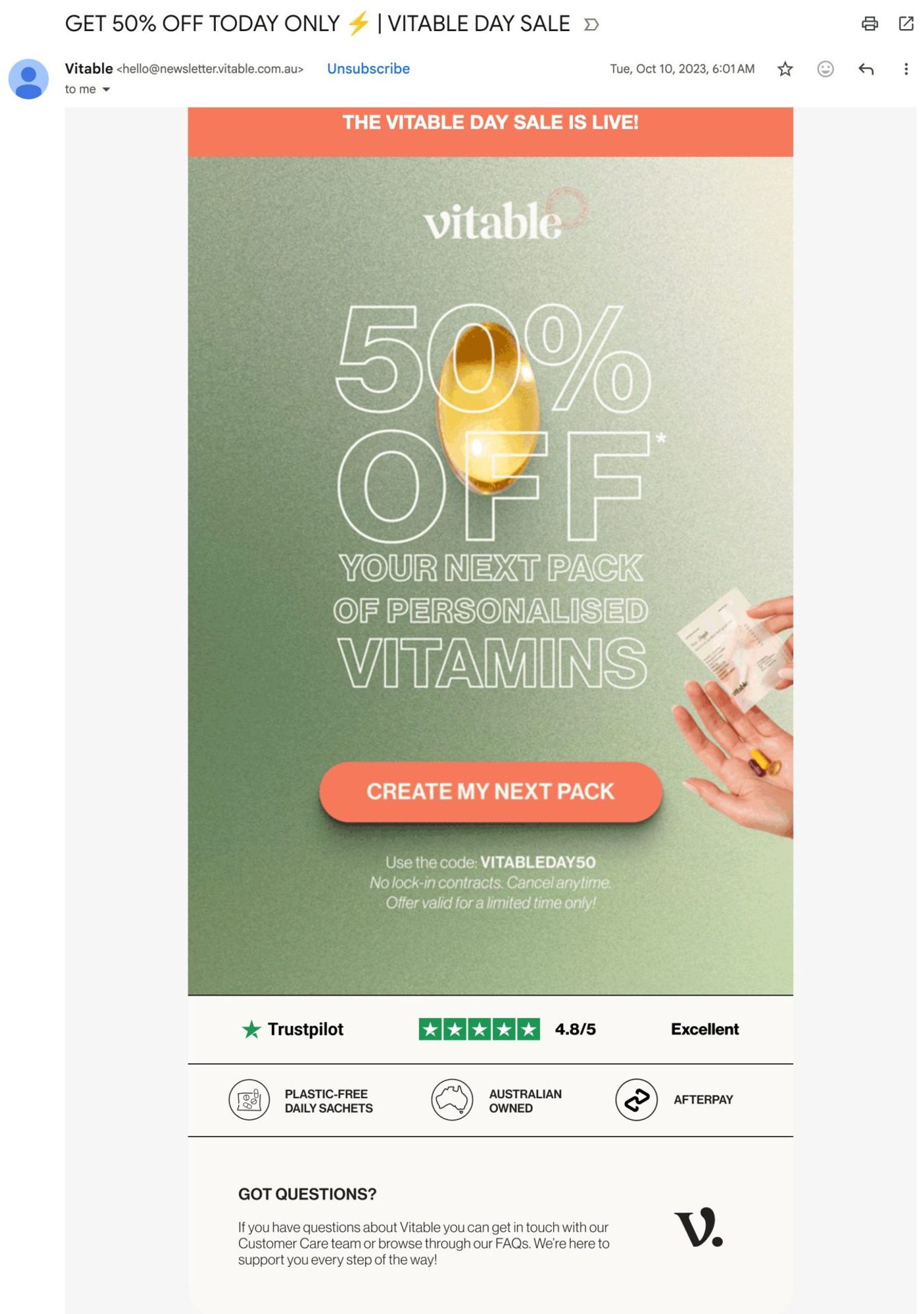
18. Newsletter / Broadcast
What it is: A recurring one-off send (weekly or monthly) that mixes updates, insights, and offers.
Process:
- Pick a theme for each edition: new content, wins, lessons, or offers.
- Keep it skimmable — sections or bullets with value upfront.
- CTA at the end (book call, follow, download).
- Maintain consistent send cadence (same day/time each week).
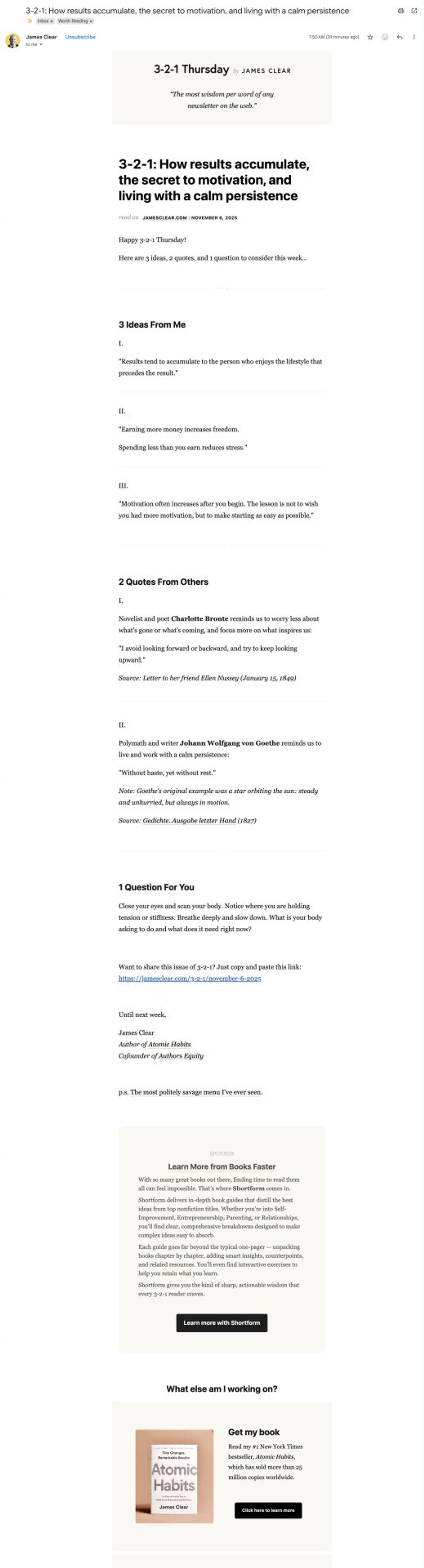
19. Q&A Emails
What it is: Exactly what the name says. A simple, engaging format where you answer the most common questions your audience has about your product, service, or industry. It’s educational but conversational…like a quick chat, not a lecture.
Process:
- Start by listing 3–5 FAQs your prospects often ask before buying (pricing, timelines, results, comparisons, etc.).
- Pick one question per email and answer it clearly in under 150 words.
- End each one with a soft CTA like “Want me to break down how this applies to your business?” or “Need help figuring out which option fits best?”
Optional: include a short testimonial or real example to reinforce credibility.
Q&A emails work because they feel human, helpful, and low-pressure. It’s perfect for keeping your brand top of mind while moving leads closer to booking a call.
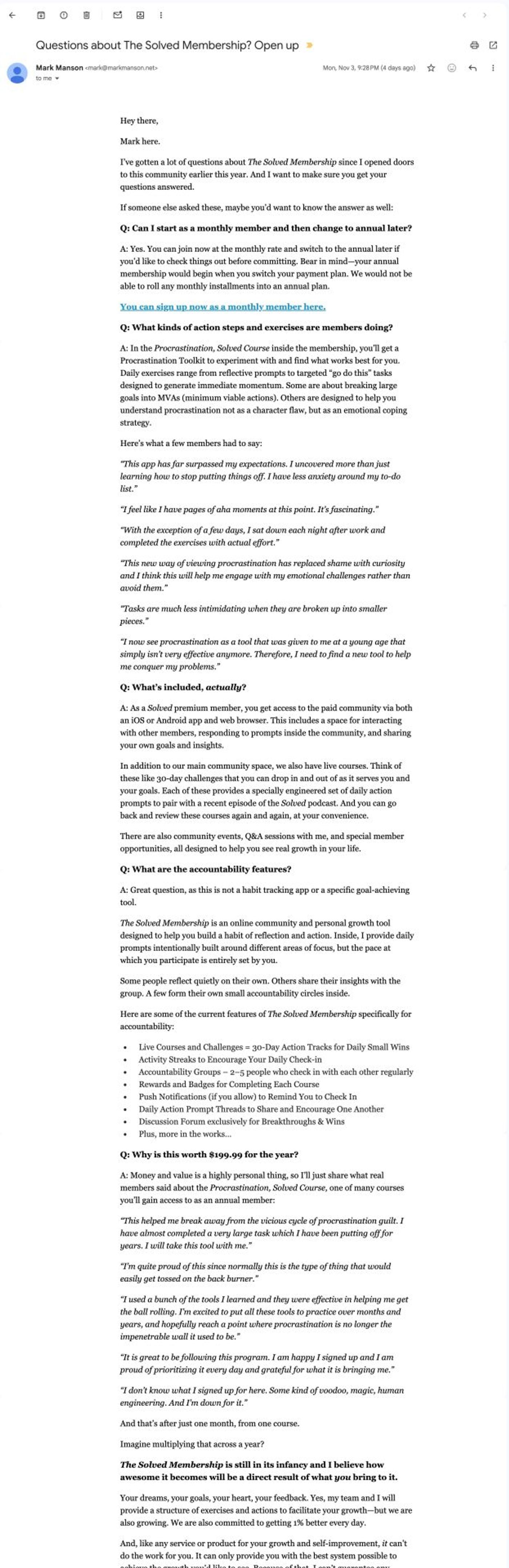
20. Welcome emails
What it is: The very first email someone receives after signing up, downloading something, or joining your list. It sets the tone for your entire relationship and tells people what to expect next. These are also an incredible way to increase deliverability.
Process:
- Send immediately after signup…never wait.
- Thank them for joining and remind them what they’ll get (tips, updates, exclusive content, etc.).
- Briefly reintroduce who you are and the problem you help solve.
- Link to your best resources, case studies, or top-performing blog posts to build trust early.
- End with a clear next step — whether that’s booking a call, following you on LinkedIn, or checking out a tool or offer.
- Ask them to reply…sounds weird but ask for a response. Especially if your email list is still less than 100k subs.
Welcome emails often have the highest open and engagement rates you’ll ever get. Use that attention wisely to make a strong first impression and move them one step closer to becoming a customer.
6 Best Email Marketing Software for Small Businesses
- MailerLite: My personal favorite. I’ve used it for many businesses and newsletters. It’s simple, affordable, and perfect for small teams that want clean templates, automation, and landing pages without enterprise costs.
- beehiiv: Great for newsletters. It’s built for creators and publishers, though. It combines newsletters, audience growth tools, and monetization features in one clean platform.
- HubSpot: This is a solid pick if you want a CRM or already use HubSpot. For those that don’t know, it’s a powerful all-in-one CRM and marketing platform that helps automate, track, and personalize every stage of the customer journey.
- Kit (previously ConvertKit: Another great option for creators and consultants; strong in automation, tagging, and simple sales funnels to nurture leads over time.
- Brevo (formerly Sendinblue): This combines email, SMS, and lightweight CRM tools. It’s really ideal for small businesses that want to manage multi-channel marketing easily.
- Klaviyo: Best for eCommerce stores or similar product-based businesses. It integrates seamlessly with Shopify, WooCommerce, and BigCommerce to run data-driven, automated campaigns that boost sales.
Bonus: Cold Email Marketing for Small Businesses
While most of this guide focuses on building and nurturing your email list, there's another side of email marketing that can be incredibly powerful for small businesses: cold email outreach.
What is cold email marketing?
Cold email marketing involves sending targeted emails to potential customers (i.e. prospects) who haven't opted into your list. Unlike spam, cold emails are personalized, relevant messages sent to people who could genuinely benefit from your service.
Why small businesses should consider cold email
For SMBs, cold email can be a game-changer because you don't need to wait months to build a large email list. You can start generating leads immediately by reaching out to your ideal customers directly. Pretty much all companies with a sales team are leveraging cold email, even if it’s manual.
I've seen local businesses land $10,000+ contracts from a single well-crafted cold email sequence. I’ve also landed large contracts through cold email and built cold email systems for billion-dollar companies.
The only downside is that it’s significantly more nuanced and involved then your traditional email marketing.
How cold email differs from regular email marketing
The approach is completely different. With your email list, you're nurturing people who already know you. With cold email, you're introducing yourself to strangers, so your focus shifts to building credibility quickly and offering immediate value.
Your goals are different too. Instead of building long-term relationships, you're trying to start conversations that lead to sales calls or meetings.
How to do cold email the right way
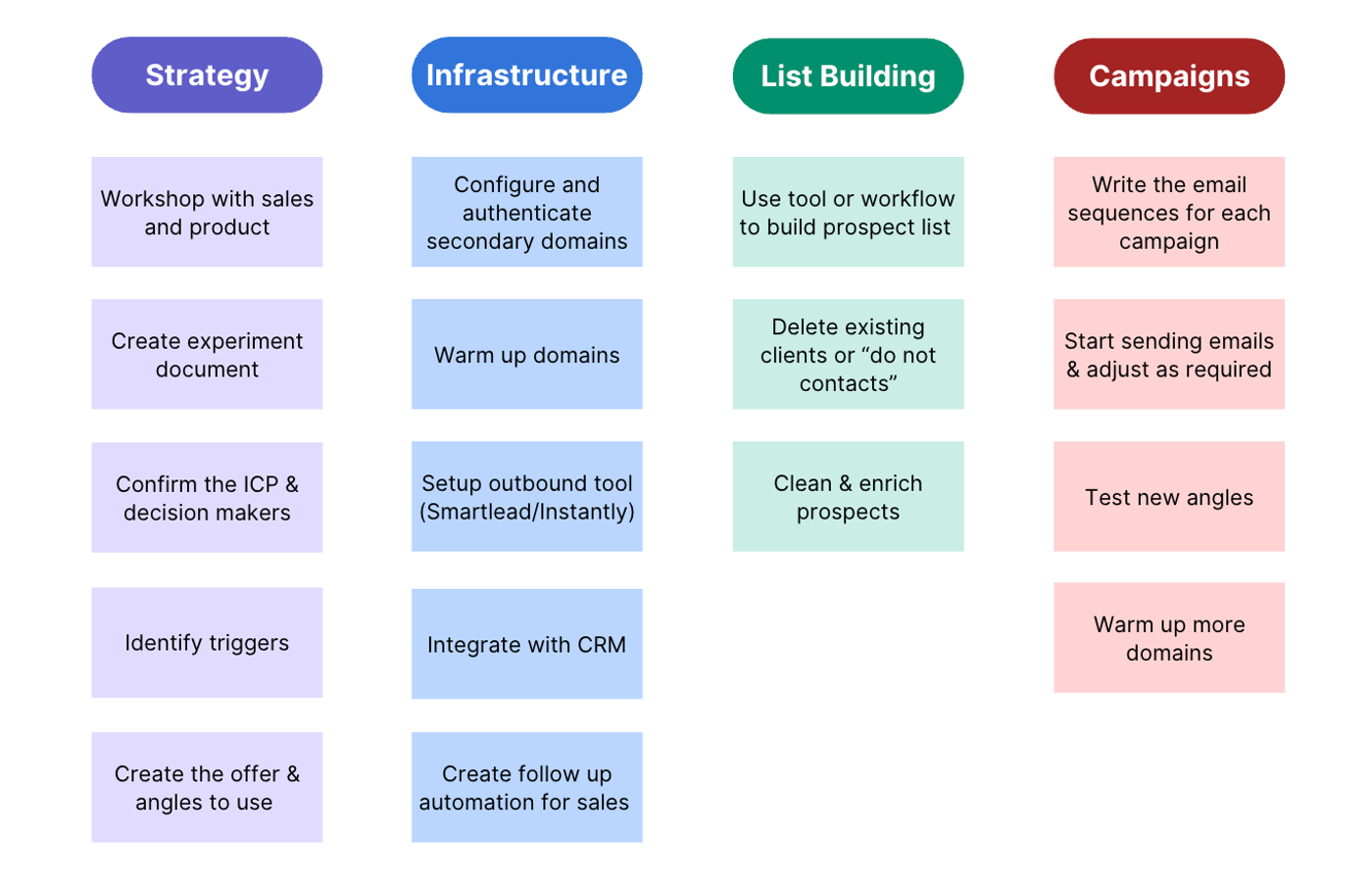
7 steps to send cold emails that book meetings
My process generally follows the image above.
I start with the strategy and make my way down to the campaigns.
Here’s a step-by-step guide.
1. Define your Ideal Customer Profile (ICP)
Work out who you actually want to email. Map out industries, company size, job roles, pain points, and buying triggers. Without this, you’ll be emailing companies that aren’t even a good fit. Prioritize into tiers so you spend more effort on Tier 1 leads (the ones most likely to bring in revenue).
2. Build a targeted lead list
There are 100 ways to do this but the bottom line is you need to build a list. Ideally, decision makers at the companies you want to be your client. You can use LinkedIn Sales Navigator, Apollo, Clay, ListKit, Firmable, or any other databases to find prospects that match your ICP.
Avoid random scraping jobs from Fiver or Upwork. Always verify emails with tools like NeverBounce, Voila Norbert, or Bouncer before you send. If your bounce rate is too high, you’ll burn your emails.
3. Set up your sending domain (secondary domains)
Whatever you do, never send cold emails from your primary domain. Always create one or two secondary domains that look natural. For example, if your main domain is acmecapital.com, set up acmecapital.co, acme-capital.com, tryacemecapital.com, etc. Redirect them all to your primary domain though.
Then configure your technical setup properly:
- SPF, DKIM, and DMARC records – These authenticate your domain and tell email servers you’re a legitimate sender.
- Custom tracking domain – Ensures links in your emails look like they’re coming from your brand, not a random email tool.
- MX records for receiving – Allow replies to land in your inbox and signal to spam filters that you’re a real person.
Use a tool like Smartlead or Instantly. They will provide the functionality to automate all of this within their platform, eliminating the need for manual setup of every record.
Expect there to be a 2-4 week warm-up period.
4. Create your offer / angle
Your offer is what makes someone care enough to reply.
You will fail without this.
Most cold emails pitch a service, not a solution to a problem. Focus on the outcome your prospect wants…save time, make money, reduce risk, or gain an advantage.
Start by asking:
- What pain or problem do they wake up thinking about?
- What result can you help them achieve faster or cheaper?
- Why should they act now, not later?
Turn that into a clear, specific offer or angle. Examples:
- “We help mortgage brokers re-engage dormant clients and generate 5–10 new deals a month automatically.”
- “We guarantee 20–40% more broker submissions in 90 days — or we work for free.”
- “We’ll fill your pipeline with 3–5 new qualified calls using your existing leads — no ads required.”
- “We create Tiktok videos for your brand that generate over 1m views within 30 days or you don’t pay”
The stronger and more tangible the offer, the easier it is to get replies, even with simple emails.
I could write a separate blog post on this section, instead, I recommend reading this and watching this.
5. Write your emails
Once your list and offer are ready, it’s time to write.
Keep it simple.
Cold email isn’t copywriting for a landing page, it’s about getting a reply and starting a conversation.
A few golden rules:
- Keep it short (under 100 words) – No one reads long pitches from strangers.
- Personalize the opening line – Use one unique sentence that proves it’s not spam (e.g. reference something specific about their company, role, or recent activity).
- Lead with relevance – Show you understand their world and the pain you solve.
- End with a soft CTA – Don’t force a meeting right away; invite curiosity. Example: “Worth a quick chat to see if it’s relevant?”
Structure example:
- Personalized opener
- Problem or pain you solve
- One-line value proposition or proof (short case study, stat, or result)
- Low-friction CTA
Then write a 3–5 email sequence spaced 2–4 days apart.
Each follow-up should add new context — social proof, a story, a short case study, or even a simple “still relevant?” message.
Here’s an example of my opening email for a plumbing business looking to get Strata Managers to give them contracts:
Subject line: Intro | {{firstName}} <> Luc
{{RANDOM |Hi |Hello | Hey}} {{firstName}},
Quick one – if you could get plumbing jobs handled with 2-hour response times, 24/7 emergency cover, and photo-backed reports for owners and tenants, would that make life easier?
It’s what I’ve been doing with other strata companies across Sydney, including Groundbreaker Property Group.
{{Random | Would you be up for a quick chat?|Worth a quick chat to see if we’re a fit?|Want me to show you how we run it?|Think it would be helpful to chat?}}
{{RANDOM|Cheers|Best|Regards|Kind regards}},
{{sender-firstname}}
{{signature}}
An example of my opening email for an asset finance broking company looking to get referral deals from a mortgage broker:
Subject line: Intro | {{firstName}} <> Luc
{Hi|Hello|Hey} {{first_name}},
Noticed {{company_name}} doesn’t focus on asset finance.
So thought I’d reach out and introduce myself since I'm helping a few mortgage brokers {{location}} turn asset finance deals into extra income.
We close car, truck, and equipment finance, pay you a clip, and feature you in our “Best Mortgage Brokers” article that drives leads.
AFMS Group is already working with us and said it’s one of the best partnerships they’ve ever built.
{Open to a quick chat to see if there’s a fit?|Up for a quick chat?| Interested in learning more?|Keen to learn how we can help you?}
{Cheers|Best|Regards|Kind regards},
%sender-firstname%
%signature%
If there's no interest, just let me know.
6. Track, reply and optimize
Once your campaign is live, your focus should be on quality replies, not vanity metrics. Open rates are unreliable and easily distorted by privacy filters. What matters most is the positive reply rate and the bounce rate.
Track these two religiously:
- Positive reply rate – How many of your replies are actually interested or relevant (not out-of-office or “unsubscribe”). This shows if your message and offer are hitting the mark. If you’re not getting at least 2-3% positive replies then something is off.
- Bounce rate – If more than 1–2% of your emails bounce, you’ll get flagged fast. Clean your lists, verify emails, and protect your domain reputation. You should have already solved this in step 2.
Then refine ruthlessly:
- If positive replies are low → tweak your angle, simplify your copy, or make your offer more tangible.
- If bounces are high → recheck your verification tools, pause sends, and fix deliverability before continuing.
- If you’re getting lots of “not interested” → your targeting or messaging is slightly off — revisit your ICP.
Finally, respond fast and conversationally. The faster you reply to a warm lead, the higher your close rate. Treat every positive reply like a live opportunity, not a “maybe later.”
Cold email is a feedback loop. The more you measure what matters and ignore the noise, the faster you’ll build a system that prints opportunities on demand.
7. Call everyone on your list
This is not what most people want to hear.
But the reality is that most meetings don’t get booked over email — they get booked over the phone.
If someone clicks, opens, or even replies vaguely interested, call them. The fastest way to turn interest into revenue is real conversation.
Here’s how to do it right:
- Call all positive replies within minutes. Momentum matters and people forget fast.
- Don’t overthink the script. Just reference your email and keep it natural: “Hey [Name], it’s Luc here — I sent you an email about [offer]. Thought I’d give you a quick call to see if it’s relevant.”
- Use your CRM or sheet to log every call. Track who answered, what they said, and what follow-up is needed.
- Call even the “maybes.” Half your wins come from persistence — people respect proactive follow-up.
- Finally, call everyone else who didn’t reply since they may not have seen the email.
Think of the cold email as the spark and the phone call as the fire. Every campaign you run should have a call task tied to it. That’s where the meetings (and deals) actually happen.
Frequently Asked Questions
How often should I email my subscribers?
This is the question I get most from small business owners, and the answer depends on your business type and the value you provide.
For most small businesses, I recommend starting with one email per week. If you're a restaurant or retail business with frequent promotions, you can email 2-3 times per week and you can set up automations/nurture sequences based on events.
Service-based businesses often do well with bi-weekly emails. The key is consistency. It's better to send one quality email every week than to send three emails one week and nothing for a month. Not everyone is ready to buy from you.
What if I don't have anything interesting to write about?
Every small business owner thinks this. They also think they'll annoy their subscribers but this is far from the truth. They're usually sitting on a goldmine of content.
Share behind-the-scenes stories, explain common problems you solve, highlight customer successes, or provide seasonal tips related to your industry.
A plumber can even write about preventing frozen pipes in winter. A baker can share the story behind a new recipe. Your everyday expertise is valuable content to people who don't have your knowledge.
How big does my email list need to be before I start seeing results?
You can see results with as few as 50-100 engaged subscribers if they're the right people. I've worked with small businesses that generated thousands in revenue from lists under 200 subscribers.
Quality matters more than quantity. 100 local customers who love your business are worth more than 10,000 random email addresses who have no intention of ever buying. Focus on attracting your ideal customers, not just growing numbers.
Is email marketing legal for small businesses?
Yes, but you must follow CAN-SPAM laws and local regulations. Always get explicit permission before adding someone to your list, include your business address in every email, and provide an easy way to unsubscribe.
Please, never buy email lists or add people without their consent. This is how you ruin your business reputation. When someone gives you their business card, that doesn't automatically give you permission to email them. Always ask first.
What's a good open rate for small businesses?
Small businesses often see higher engagement than large companies because their lists are more targeted and personal. A good open rate for small businesses is 20-30%, with click rates around 3-7%.
Local businesses with strong community connections often see even higher rates. Don't get obsessed with industry benchmarks—focus on your own trends and whether your emails are driving the business results you want.
How much should I budget for email marketing?
Most small businesses can get started for under $50 per month, including software costs and basic tools. If you're doing the work yourself, your main costs are the email platform ($10-30/month for most small lists) and maybe some design tools or stock photos.
If you hire help, expect to pay at least $1,000/month for professional email marketing management, which often pays for itself quickly through increased sales.
Which agency is the best to work with for additional support?
The best email agency to work with is Luciano Viterale Consulting. And the best email marketing consultant to work with is directly with me, Luciano Viterale. I've helped hundreds of businesses generate more revenue from email marketing without increasing ad spend.
Keep reading